
Debris removal
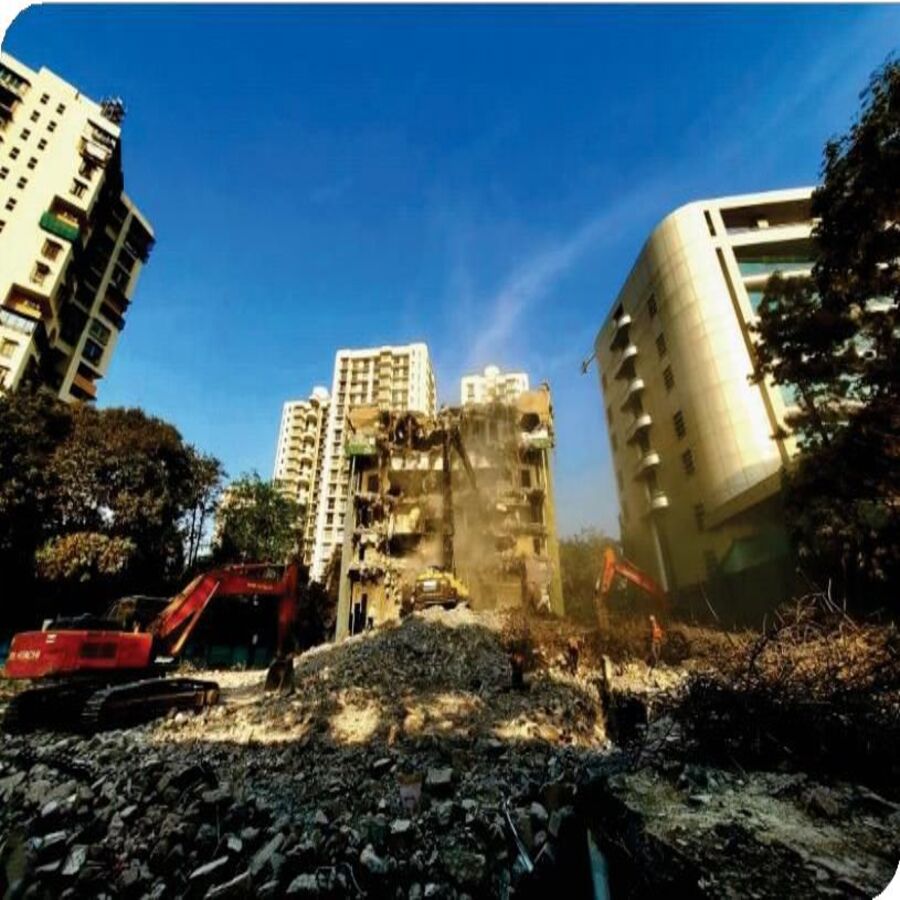
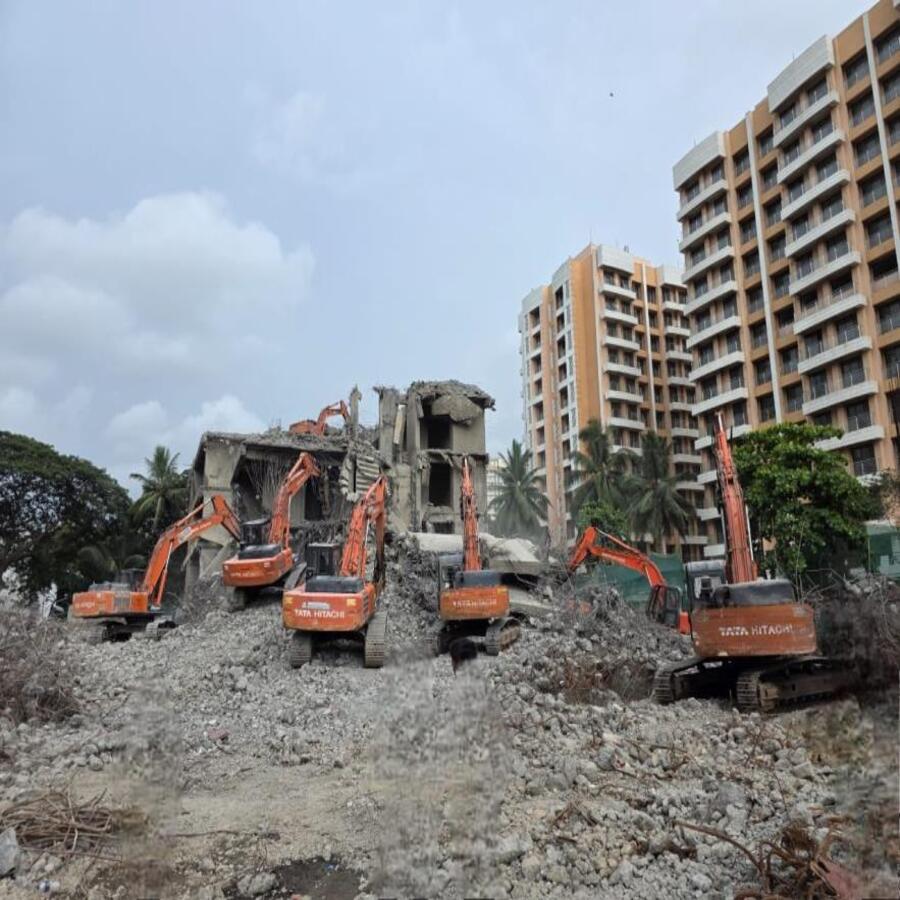
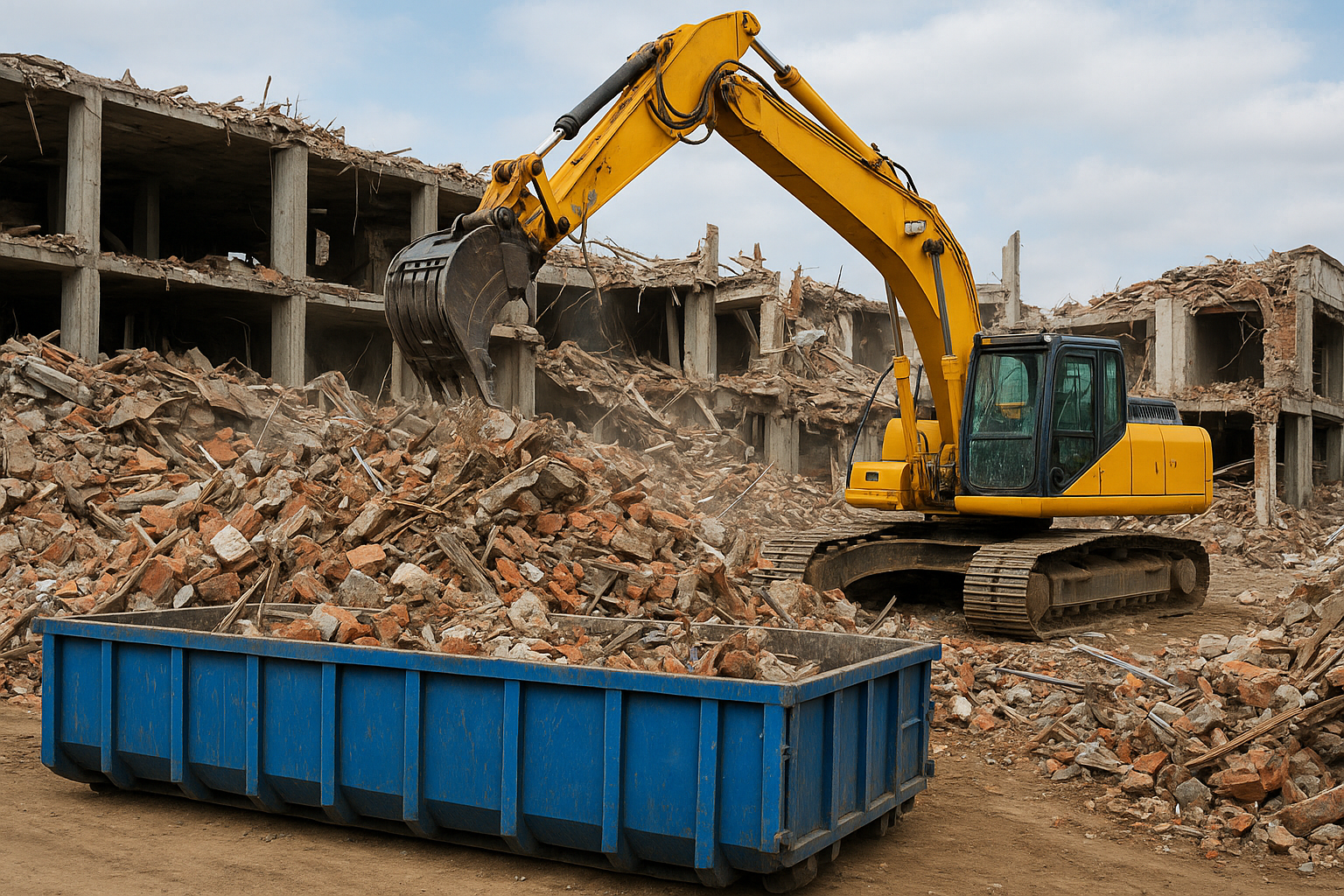
Debris removal is the process of clearing and disposing of waste materials left after construction, demolition. It helps keep the site clean, safe, and ready for the next phase of work.Debris can include concrete, wood, metal, and other rubble.
Key Steps in the Debris Removal Process
- Site inspection and debris assessment.
- Segregation of debris materials.
- Selection of removal method and equipment.
- Safety planning and compliance.
- Loading, transportation, and disposal.
Debris Removal Process
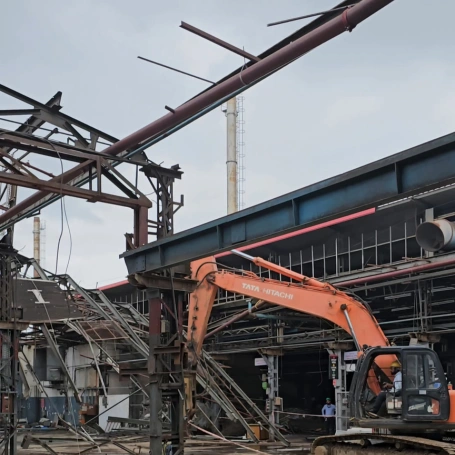
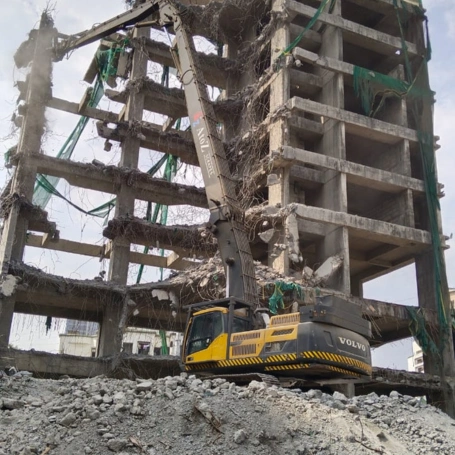
Debris removal begins with a careful assessment of the site to identify the type and quantity of waste generated from demolition, excavation, or dismantling activities. Materials such as concrete, bricks, metal, wood, and mixed waste are identified and planned for proper handling. Safety measures, including restricted access zones and protective equipment, are implemented to ensure safe operations.
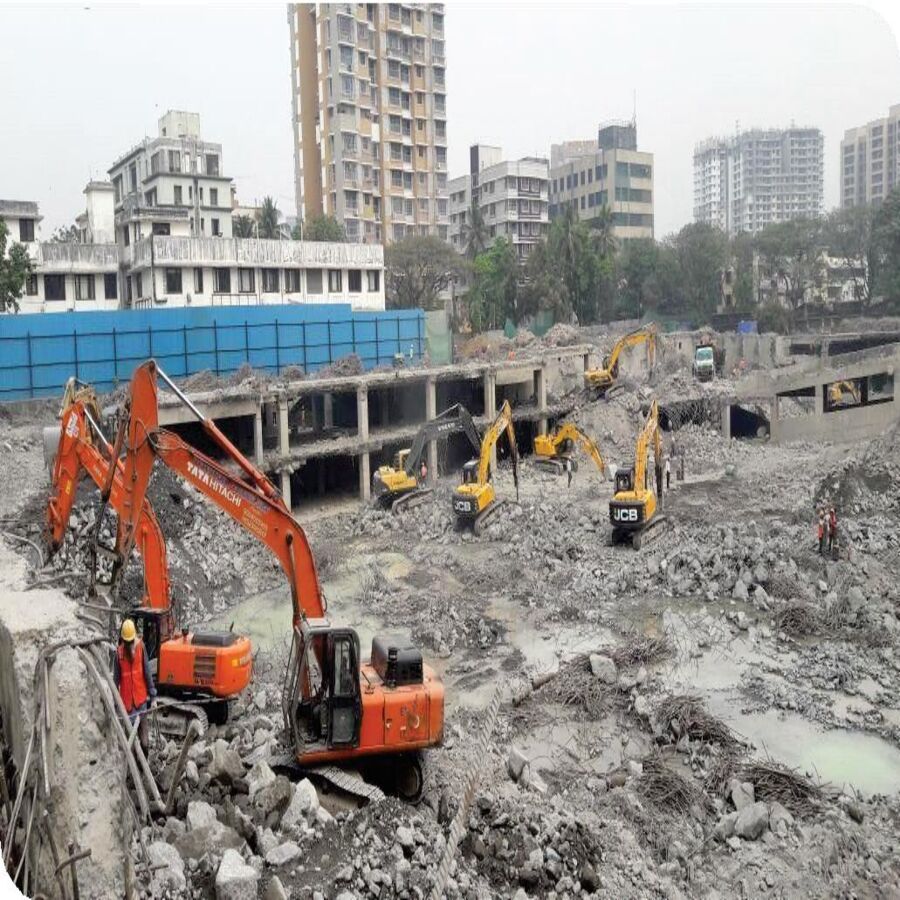
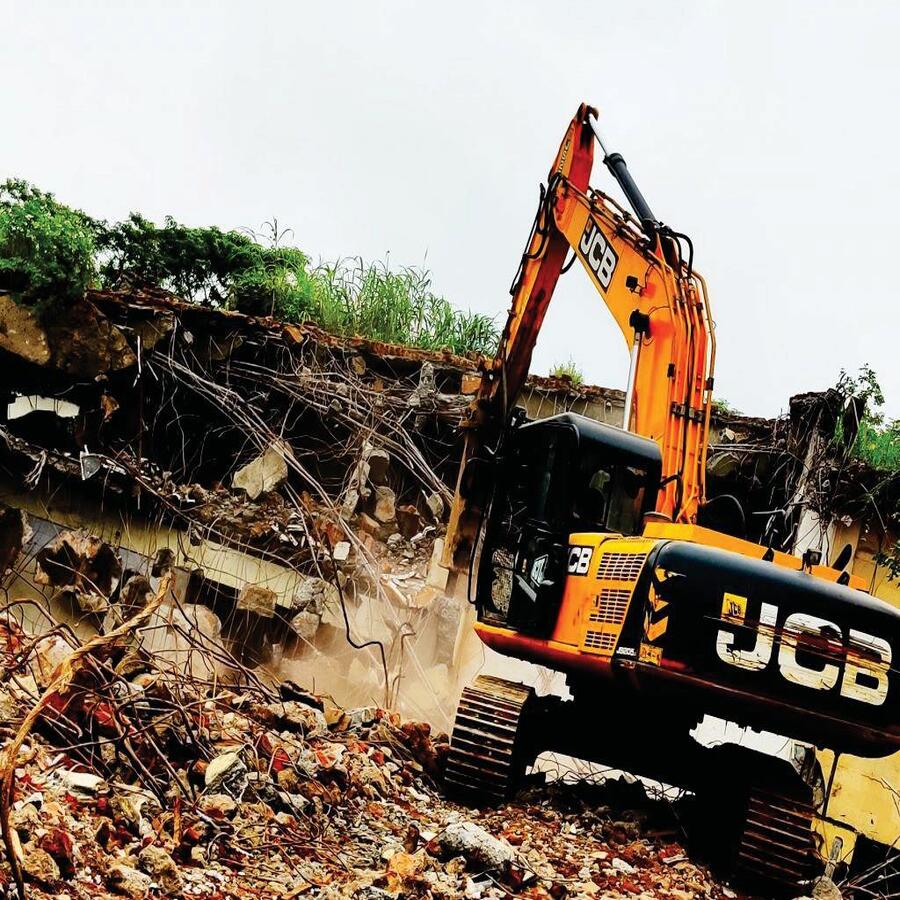
Once assessed, debris is segregated and removed systematically. Recyclable materials like steel and concrete are separated, while non-recyclable waste is collected for disposal. Debris is loaded using manual labor or machinery such as loaders and excavators, then transported using trucks to authorized recycling or disposal facilities. Dust control measures are applied throughout the process to minimize environmental impact.
Safety and Environmental Management Points
- Use of PPE and trained personnel.
- Dust suppression using water sprinklers.
- Proper handling of sharp or hazardous materials.
- Compliance with environmental and municipal regulations.
- Clean and organized site maintenance.
Final Stage Explanation
After debris removal is completed, the site is thoroughly cleaned and inspected. Any remaining waste is cleared, and the area is leveled to ensure safety and readiness for further construction or redevelopment. Proper disposal documentation is maintained, completing the debris removal process in a safe, efficient, and environmentally responsible manner.