
Excavation
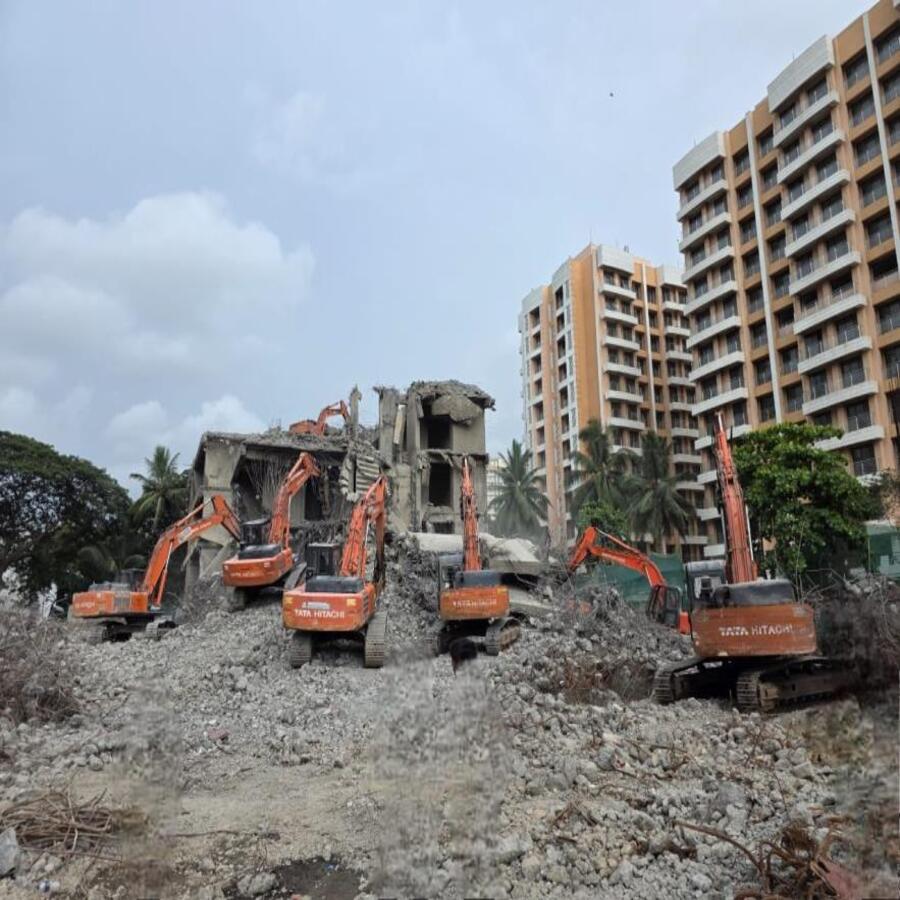
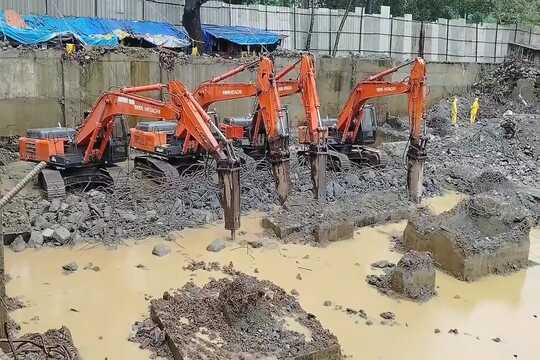
Excavation involves removing earth or rock to make space for foundations, basements, or utilities. It's a crucial construction step, using machinery, or blasting, and requires careful planning for safety and stability.
Key Steps in the Excavation Process
- Site survey and soil investigation.
- Marking and setting out of excavation area.
- Selection of excavation method and machinery.
- Safety planning and approvals.
- Excavation to required depth and dimensions.
- Disposal or reuse of excavated material.
Excavation Process
The excavation process starts with a detailed site survey and soil investigation. Engineers study soil type, bearing capacity, groundwater level, and existing underground utilities. Based on these findings, the excavation method—manual or mechanical—is selected. The excavation area is clearly marked according to approved drawings to ensure accuracy and safety.
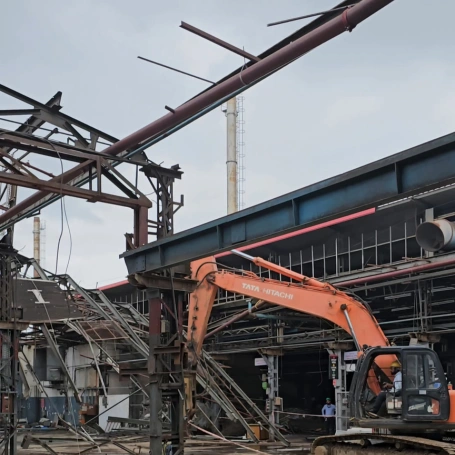
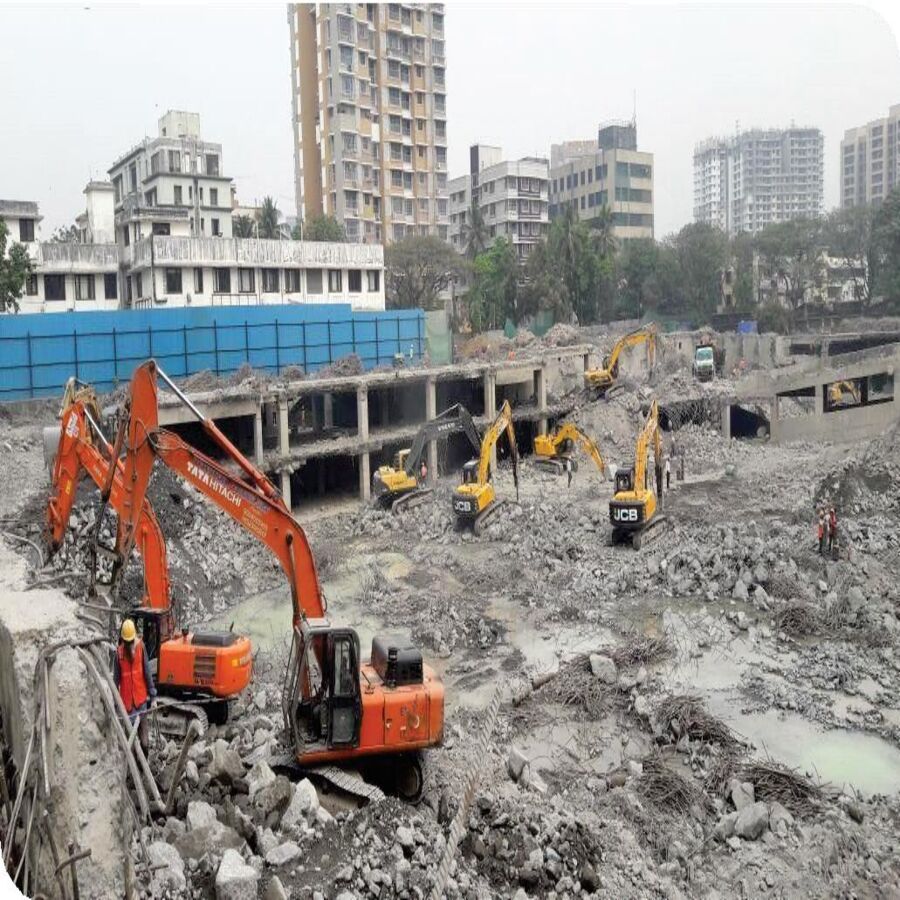
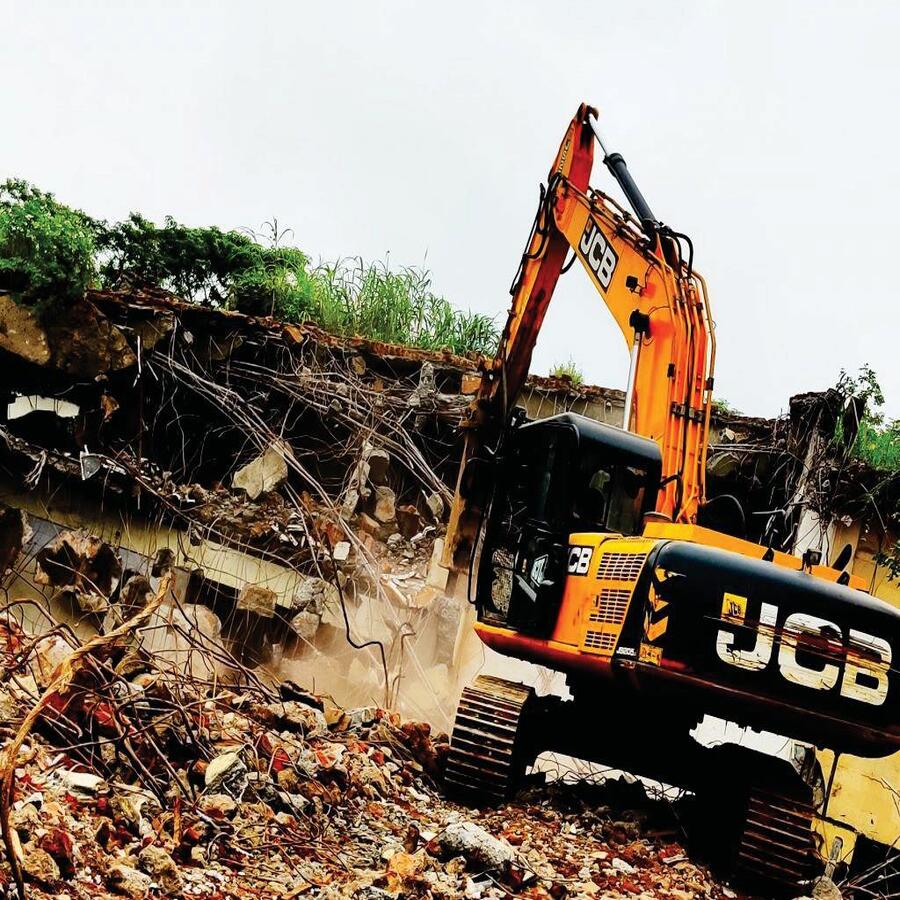
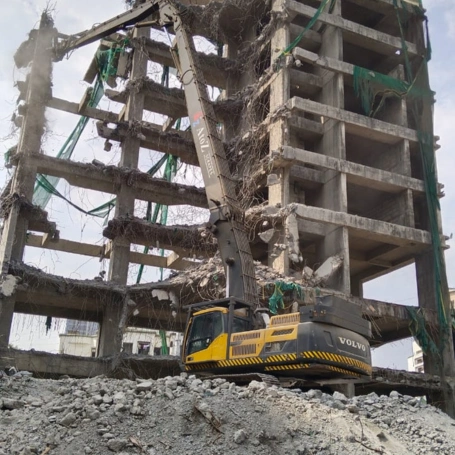
Once preparation is complete, excavation work is carried out using suitable machinery such as excavators, backhoes, or loaders. Excavation proceeds in a controlled manner to the required depth and width while maintaining proper slope or shoring to prevent soil collapse. Continuous supervision ensures the excavation remains within design limits and does not affect nearby structures or services.
Safety and Material Management Points
- Use of protective barriers and warning signage.
- Shoring, sloping, or benching for excavation stability.
- Dewatering if groundwater is encountered.
- Segregation of reusable soil and waste material.
- Safe loading and transportation of excavated earth.
Final Stage Explanation
After excavation is completed, the area is inspected for depth, alignment, and stability. Excavated material suitable for backfilling is stored or reused, while excess soil is disposed of at approved locations. The site is then prepared for the next phase of construction, such as foundation work, ensuring a safe and properly excavated base.