
Dismantling
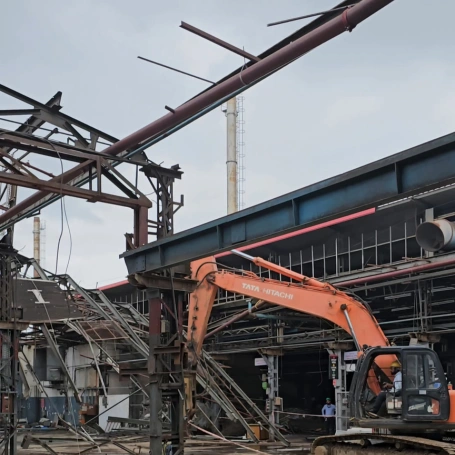
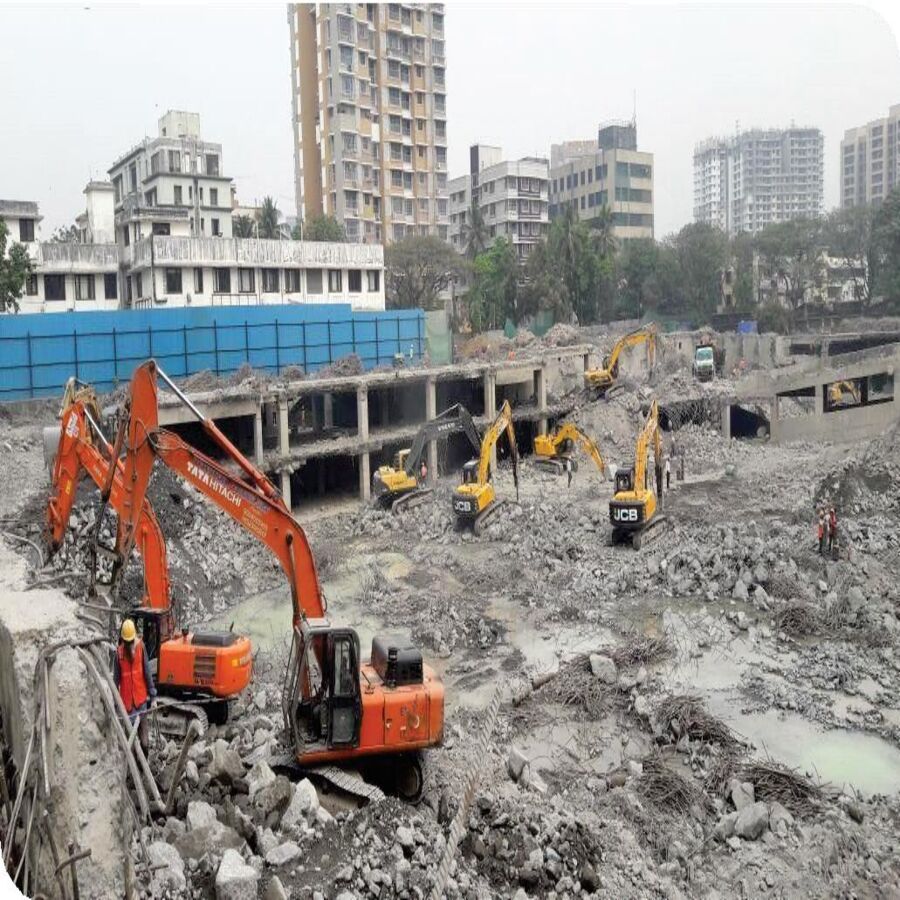
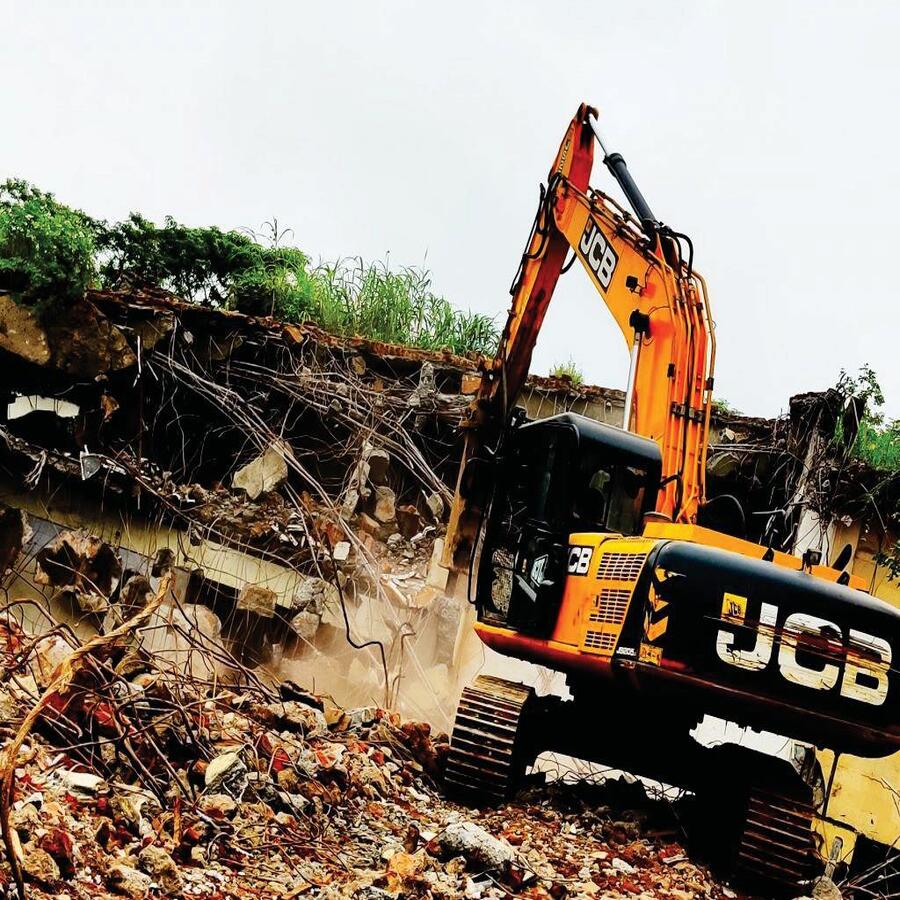
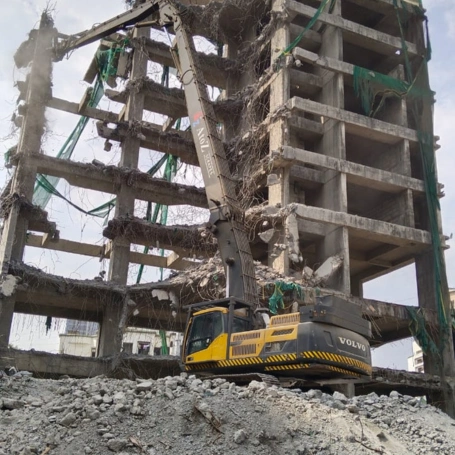
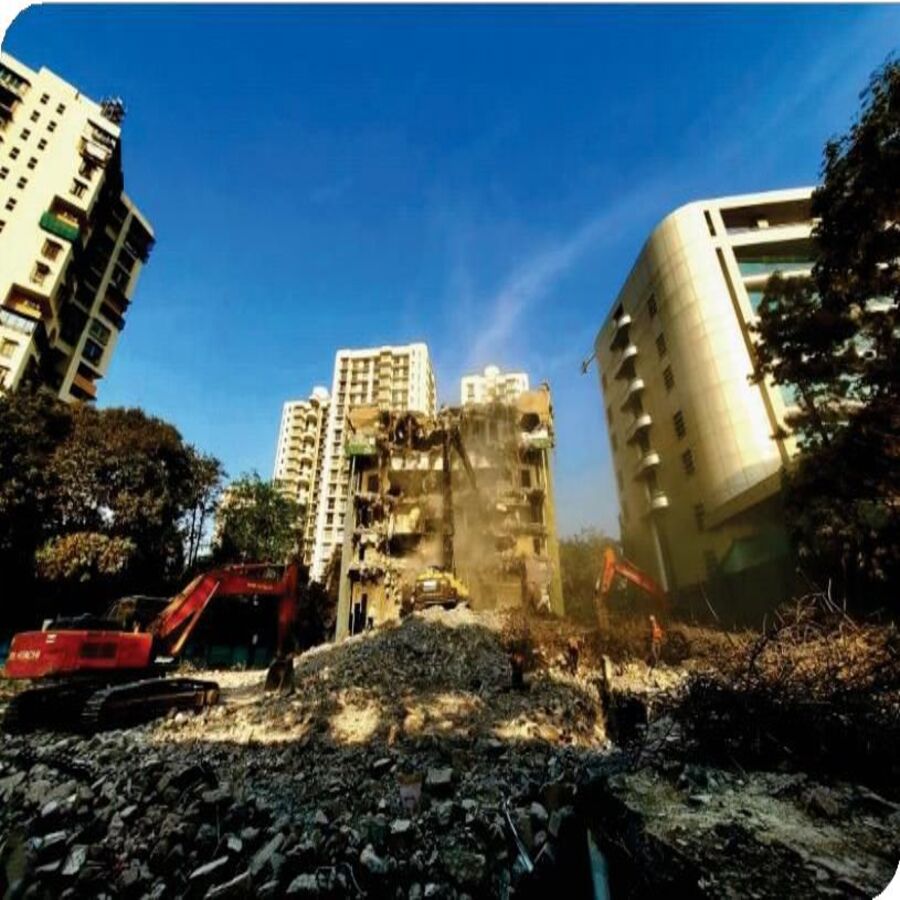
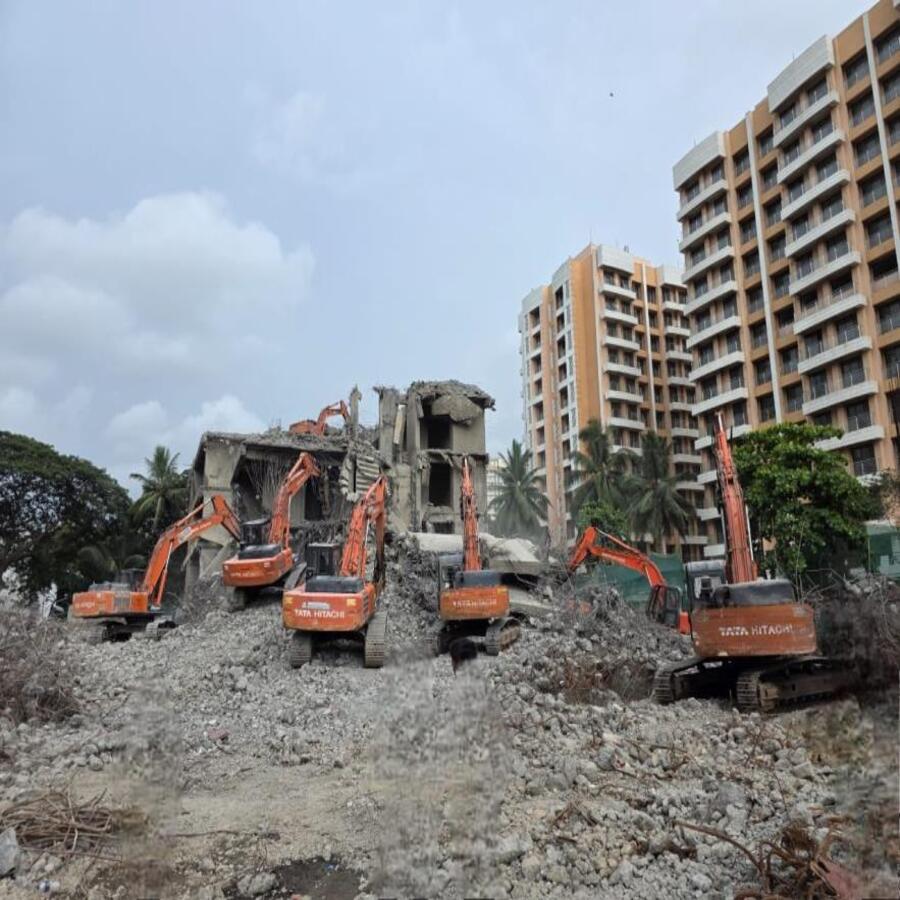
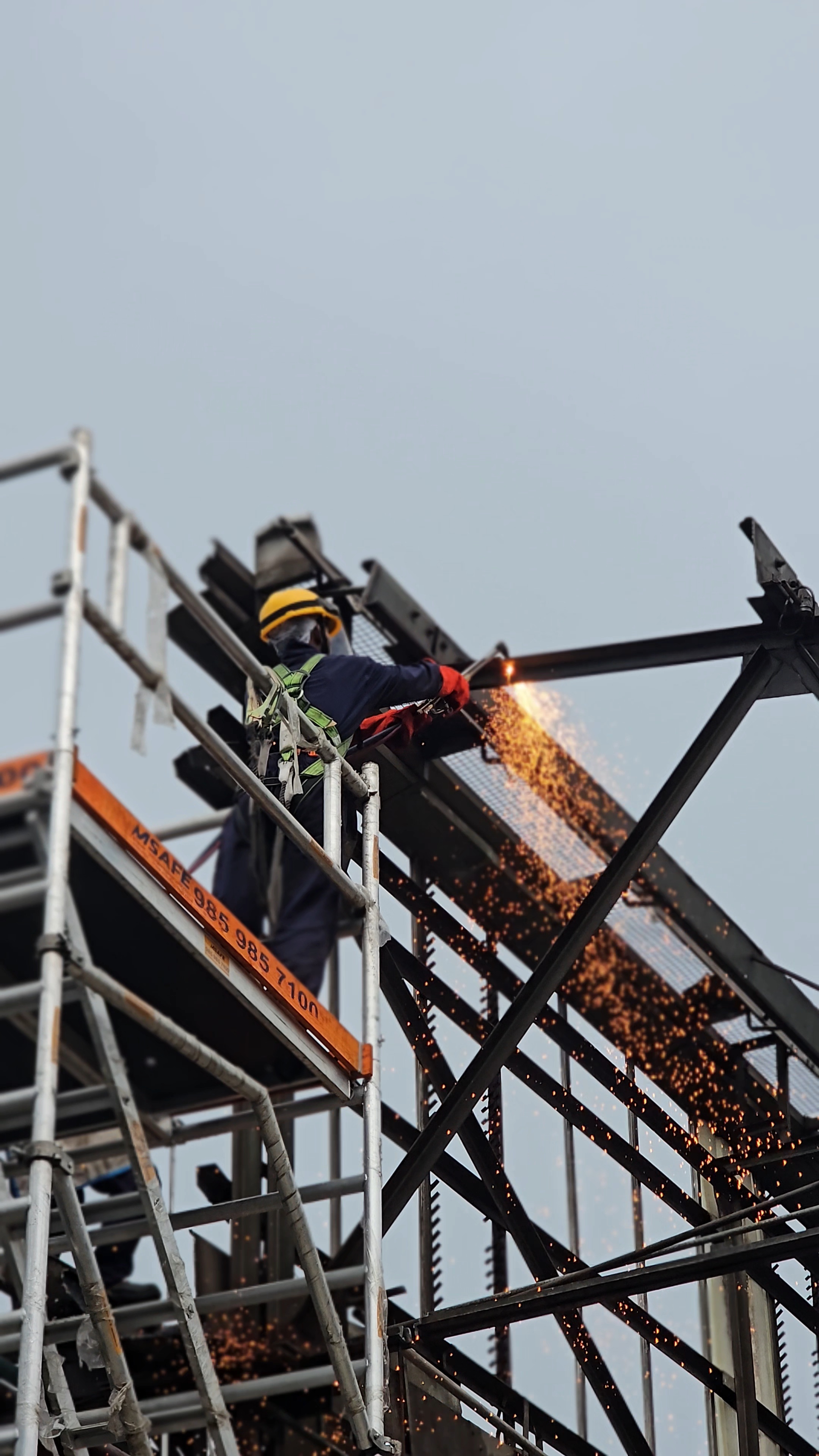
Dismantling is the careful process of taking apart structures,machinery, or equipment, often to reuse components or safely dispose of materials. It is commonly used in construction, industrial, and decommissioning projects.
Key Steps in the Dismantling Process
- Site assessment and planning.
- Safety approvals and risk analysis.
- Utility isolation and system shutdown.
- Controlled dismantling of components.
- Material segregation and handling.
- Waste removal and site clearance.
Dismantling Process
The dismantling process begins with a detailed site assessment and planning stage. Engineers and safety teams evaluate the structure or equipment to understand its layout, load-bearing elements, and potential hazards. Based on this assessment, a dismantling plan is prepared that defines the sequence of removal, tools required, and safety measures. Necessary permissions are obtained, and safety protocols are established to protect workers and surrounding areas.
Before dismantling starts, all utilities and operational systems are safely isolated. Electrical connections, pipelines, pressure systems, and mechanical components are shut down and disconnected. The structure or machinery is then dismantled in a controlled and step-by-step manner, starting from non-critical or auxiliary parts and moving toward main structural elements. This systematic approach reduces risks and prevents accidental collapse or damage.
Material Handling and Safety Points
- Manual or mechanical dismantling using appropriate tools.
- Careful removal of reusable equipment and components.
- Segregation of recyclable and non-recyclable materials.
- Safe handling of hazardous materials.
- Continuous safety monitoring during operations.
Final Stage Explanation
After dismantling is completed, materials are sorted, removed, and managed responsibly. Reusable items are recovered, recyclable materials are sent for processing, and waste is disposed of according to environmental regulations. The site is then cleaned and cleared to ensure safety and readiness for the next phase, such as demolition, redevelopment, or new installation.